The energy transition is reshaping the global energy landscape as countries intensify efforts to reduce carbon emissions and shift towards cleaner and more sustainable sources. Amid growing environmental concerns and technological advancements, certain sectors within this transformation are expanding at unprecedented rates, driving significant changes worldwide.
Rapid Growth in Renewable Energy Deployment
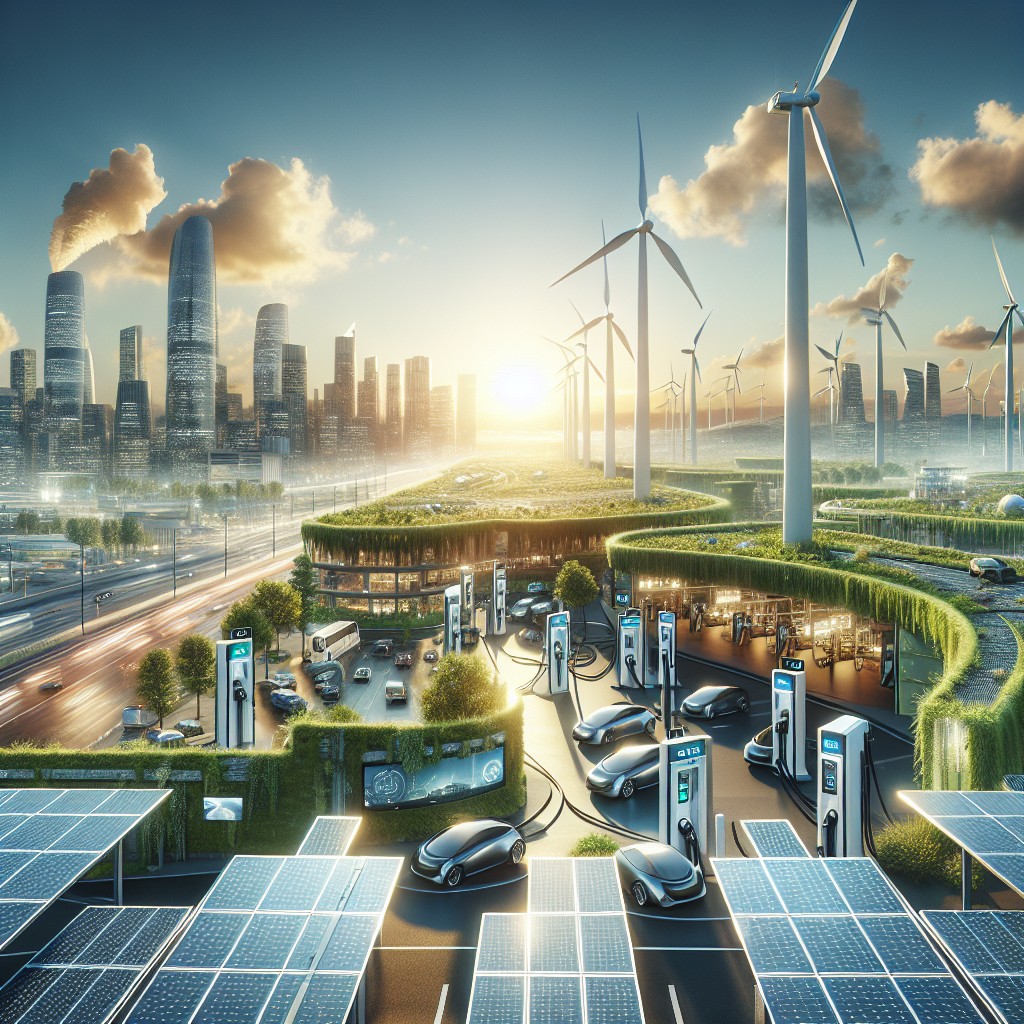
One of the most notable trends in the ongoing energy transition is the rapid scale-up of renewable energy sources such as solar and wind. In recent years, the cost of photovoltaic solar panels and wind turbines has declined sharply, making these technologies economically competitive with fossil fuels. Countries around the world have increased investments in renewables, resulting in record-breaking installations. Data from the International Energy Agency (IEA) indicates that solar photovoltaic capacity additions globally surpassed 180 gigawatts in 2023 alone, marking the fastest expansion in any energy technology to date.
Electrification of Transport Accelerates
The transportation sector is a critical focus area in the energy transition, with electric vehicles (EVs) scaling at an accelerating pace. Government incentives, stricter emission regulations, and improvements in battery technology have propelled EV adoption across continents. In 2023, global EV sales hit new heights, with China, Europe, and the United States leading the charge. This shift not only reduces oil dependency but also boosts electricity demand, further driving changes in energy production and grid management.
Expansion of Energy Storage Solutions
Energy storage technology is scaling fast to address the intermittency challenges of renewable energy. The expansion of battery storage systems at grid and distributed levels supports reliable electricity supply and grid stability. Lithium-ion batteries dominate the market, but emerging technologies such as flow batteries and hydrogen storage are gaining attention for longer-duration applications. Key markets in Asia, Europe, and North America are deploying utility-scale storage projects, signaling the crucial role of storage in the ongoing transition.
Green Hydrogen: A Rising Opportunity
Green hydrogen production, powered by renewable electricity, is another segment within the energy transition showing rapid development. Although still nascent compared to other technologies, green hydrogen is attracting substantial investments as a potential solution for decarbonizing sectors hard to electrify, such as heavy industry and shipping. Pilot projects and scaling initiatives in Europe, Australia, and parts of Asia indicate growing momentum, with costs decreasing due to technological improvements and economies of scale.
Energy Efficiency Improvements and Digitalization
Alongside shifting fuel sources, improvements in energy efficiency and the integration of digital technologies are scaling swiftly worldwide. Smart grids, advanced metering infrastructure, and demand management software enable better consumption patterns and optimize energy use across industries and households. This approach not only complements renewable energy deployment but also reduces overall energy demand, an essential element in achieving climate targets.
In conclusion, the current landscape of the global energy transition is characterized by rapid scaling of renewables, electrification of transport, expansion of energy storage, emerging green hydrogen markets, and enhanced energy efficiency through digital tools. These developments collectively indicate a decisive structural shift towards sustainable energy systems, with continued acceleration expected as countries implement climate policies and technological advancements mature.
Frequently Asked Questions about energy transition
What is meant by the energy transition?
The energy transition refers to the global shift from fossil fuel-based energy systems to renewable and sustainable energy sources to reduce carbon emissions and combat climate change.
Which sector is currently scaling fastest in the energy transition?
Renewable energy deployment, especially solar photovoltaic installations, is currently the fastest scaling sector within the energy transition worldwide.
How does electrification impact the energy transition?
Electrification, particularly in transportation with electric vehicles, increases electricity demand and promotes cleaner energy usage, playing a crucial role in advancing the energy transition.
What role does energy storage play in the energy transition?
Energy storage technologies help balance supply and demand by managing the intermittency of renewable power, thereby supporting grid stability in the energy transition.
Why is green hydrogen important in the energy transition?
Green hydrogen offers a low-carbon alternative for applications that are difficult to electrify, such as heavy industry and shipping, contributing to decarbonization efforts within the energy transition.